A New Shepherd for the Roman Catholic Church
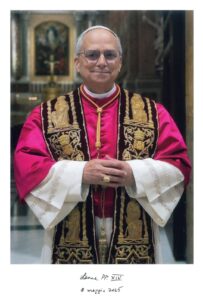
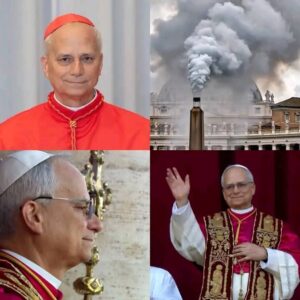 Leo XIV (born September 14, 1955, Chicago, Illinois, U.S.) is the pope, the leader of the Roman Catholic Church. He was elected to the papacy on May 8, 2025, succeeding Pope Francis and becoming the first American pope in history. An Augustinian priest who performed extensive missionary work in Peru and served as head of the Augustinian order from 2001 to 2013, he was made a cardinal by Francis in 2023. In his first address as pope, Leo XIV told the crowd assembled in St. Peter’s Square in Vatican City, “I am a son of St. Augustine, an Augustinian. He said, ‘With you I am a Christian, for you a bishop.’ So may we all walk together towards that homeland that God has prepared for us.
For more details on his background, click: https://en.wikipedia.org/wiki/Pope_Leo_XIV https://www.britannica.com/biography/Leo-XIV
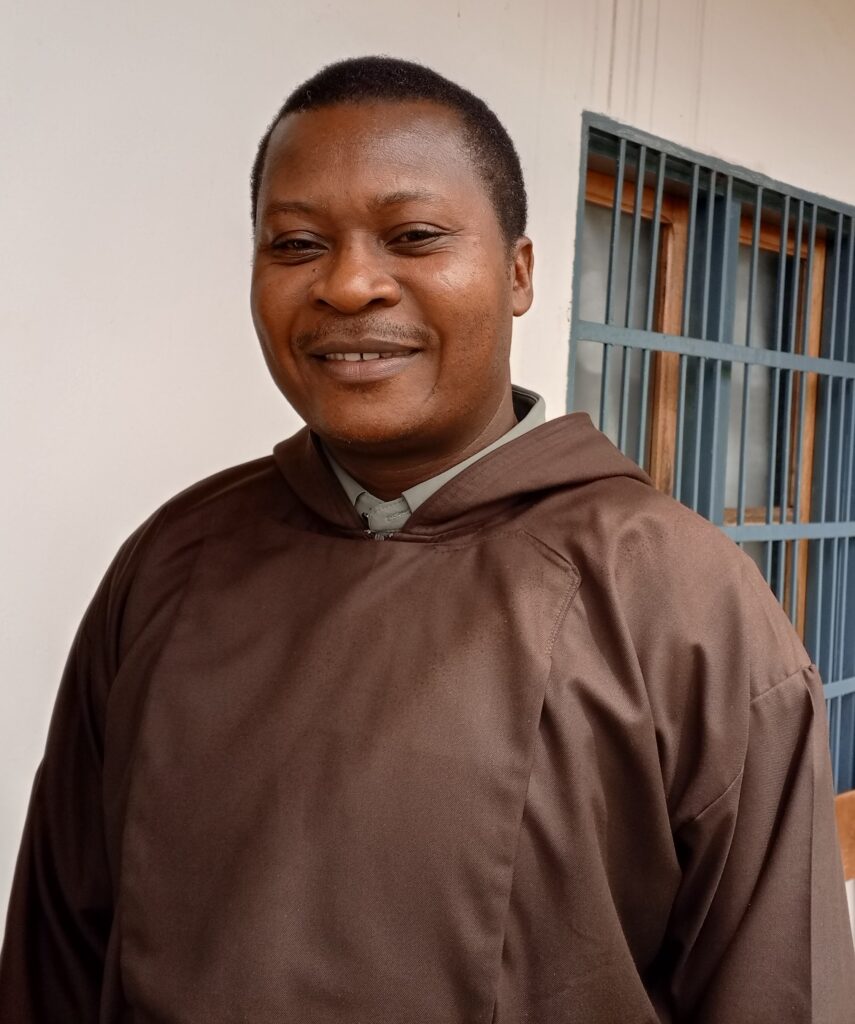
Brother Peter Tar, a Capuchin Friar, tells us more about the Popes with the papal name “LEO”
The Pope, regardless of their chosen name, including Leo, has a unique and overarching role in the Catholic Church. As the successor of Peter, the Pope is the “perpetual and visible source and foundation of the unity both of the bishops and of the whole company of the faithful”.
The papal name Leo carries with it a legacy of strength, reform, and profound influence on the history of the Catholic Church. Over more than 1,500 years, at least 13 popes have borne the name – each contributing in unique ways to theology, ecclesiastical authority, and society at large. Here’s an overview of their lives and legacies:
-
Pope Leo I: His papacy began on September 29, 440, and concluded on November 10, 461. Known as Leo the Great, he is celebrated for his courageous intervention with Attila the Hun and his efforts to affirm the Church’s teaching on Christ’s dual nature. In his teachings, he puts together the loftiness of God and the lowliness of man, with each cooperating according to its nature. Leo I played an important role in defining the doctrine of the Incarnation, particularly through his famous Tome, which articulated the hypostatic union of Christ’s divine and human natures. This was affirmed at the Council of Chalcedon in 451. His theological letters and leadership helped in establishing the papal authority, setting a way-forward for future pontiffs. He asserted the primacy of the Roman See over other churches and emphasized the pope’s role as a spiritual leader. In other areas, Leo the Great also stressed the importance of both doctrine and pastoral care, confronting heresies and caring for the poor. He is also associated liturgy with the daily life of Christians, combining fasting with charity and almsgiving.
-
Pope Leo II: His papacy began on August 17, 682, and concluded on July 3, 683. He is best known for his steadfast commitment to upholding orthodox Christian doctrine during a period marked by theological disputes and political challenges. His papacy followed the Third Council of Constantinople, which condemned Monothelitism, and Leo II worked diligently to ensure the implementation of the council’s decisions within the Church. He emphasized the importance of Christ’s dual nature and sought to reinforce the Church’s teachings against heretical influences. Though his pontificate was brief, Leo II worked to confirm important decisions made by earlier councils and ensured continuity in doctrinal matters at a time of political turbulence.
-
Pope Leo III: His papacy began on December 26, 795, and concluded on June 12, 816. Leo III is best known for his pivotal role in the relationship between the papacy and the Carolingian Empire, particularly during the reign of Charlemagne. In 800, Leo III crowned Charlemagne as Emperor of the Romans, which symbolized the revival of the Western Roman Empire and established a crucial alliance between the papacy and the Frankish monarchy. This act not only underscored the alliance between the papacy and emerging European states but also laid the groundwork for the medieval conception of Christian leadership. He focused on ecclesiastical reforms, including the promotion of the clergy’s moral integrity and the defense of the Church’s interests against secular powers. He also emphasized the importance of liturgical practices and the protection of Church property
-
Pope Leo IV: His papacy began on April 10, 847, and concluded on July 17, 855. During his time as Pope, he worked to defend Rome against the Saracens, building the Leonine City to protect the Basilica of St. Peter. In the wake of Saracen raids, Leo IV focused on the physical and spiritual fortification of Rome by restoring and building defensive walls – an effort that symbolizes the Church’s resilience in troubled times.
-
Pope Leo V: His papacy began on July 30, 903, and concluded on December 1, 903. His reign was extremely short and occurred during a chaotic period in papal history. Though less is known about his achievements, his papacy reflects the internal struggles of the Church during the dark ages of Roman politics.
-
Pope Leo VI: His papacy began on May 28, 928, and concluded on December 1, 928. Another pope with a brief tenure, Leo VI’s time in office was marked by the complexities of local aristocratic influences over the papacy, characteristic of that era.
-
Pope Leo VII: His papacy began on January 3, 936, and concluded on July 13, 939. Serving during a period of reform and transition, Leo VII is noted for promoting measures that helped stabilize and renew the Church’s spiritual and administrative life amidst political uncertainty.
-
Pope Leo VIII: His papacy began on June 23, 964, and concluded on March 1, 965. His papacy remains controversial. Installed during a power struggle – with significant imperial interference – his legitimacy was and continues to be subject to historical debate, illustrating the perennial tension between secular and ecclesiastical authority.
-
Pope Leo IX: His papacy began on February 12, 1049, and concluded on April 19, 1054. A key figure in the Gregorian Reform, Leo IX vigorously combated practices like simony and clerical marriage. His efforts to purify the Church’s practices were a catalyst for events that contributed to the East – West Schism in 1054.
-
Pope Leo X: His papacy began on March 9, 1513, and concluded on December 1, 1521. Ascending to the papacy during the Renaissance, Leo X’s period was marked by both artistic patronage and significant turmoil. His decision to excommunicate Martin Luther after the outbreak of the Protestant Reformation profoundly influenced the future trajectory of Western Christianity.
-
Pope Leo XI: His papacy began on April 1, 1605, and concluded on April 27, 1605. Notorious for having one of the shortest reigns – lasting only about 27 days – Leo XI’s brief time in office is a reminder that even in episodic leadership, the continuity of the papal name carried symbolic weight.
-
Pope Leo XII: His papacy began on September 28, 1823, and concluded on February 10, 1829. In an era of post-Napoleonic restoration, Leo XII is remembered for his conservative policies and his efforts to reassert traditional ecclesiastical values during a time of rapid political and social change in Europe.
-
Pope Leo XIII: His papacy began on February 20, 1878, and concluded on July 20, 1903. A modernizing figure, Leo XIII left an indelible mark on Catholic social teaching with his encyclical Rerum Novarum (1891), which addressed the rights and dignity of workers in an industrial age. His long and influential pontificate helped steer the Church through the challenges of modernity.